
18 November, 2026
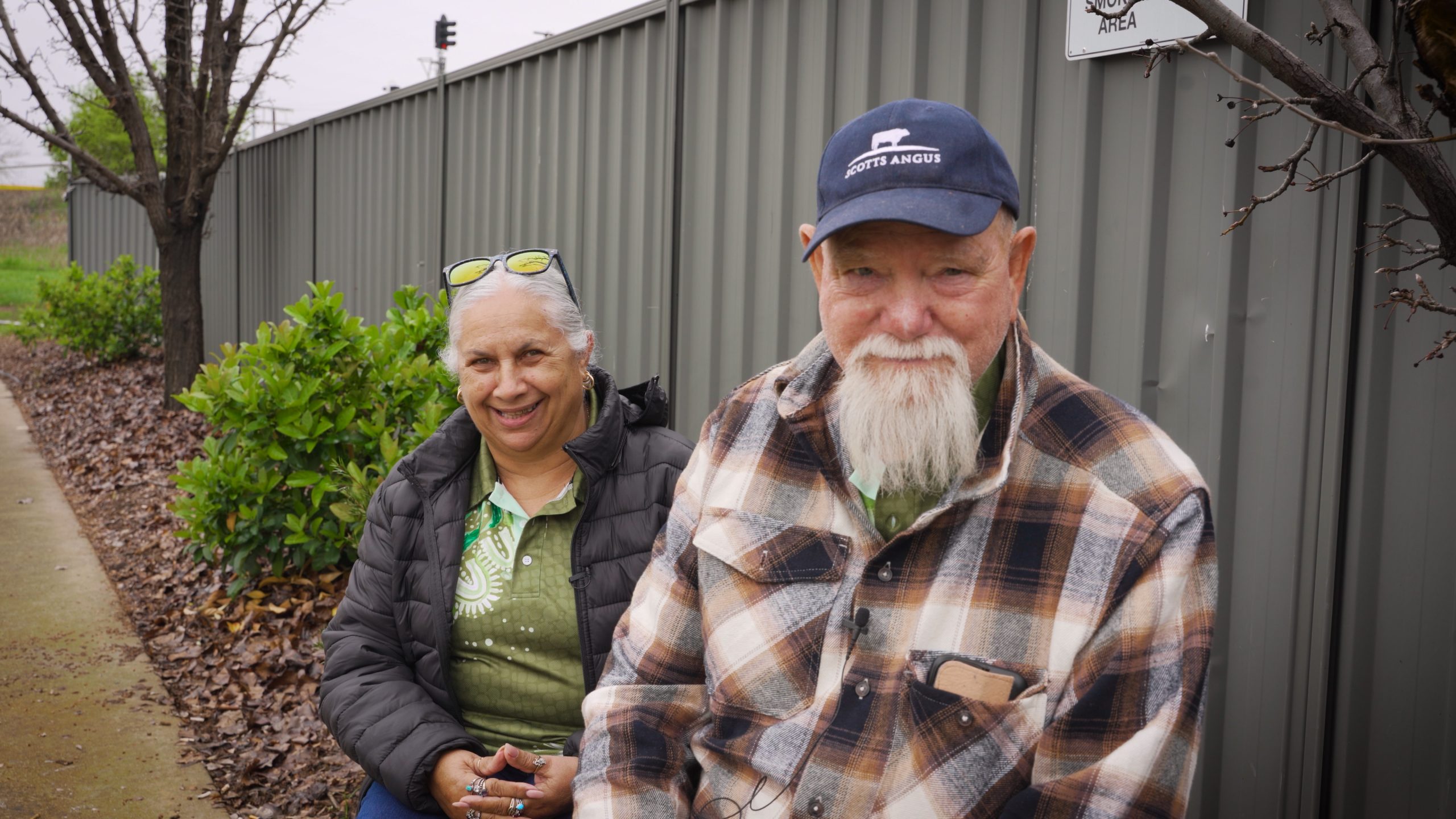
For Ian Woods and Norma Freeman, working in the Local Aboriginal Land Council Network has always been about serving community and creating opportunities for the next generation.
Ian has served Hay Local Aboriginal Land Council for 34 years after community members approached him to take on a role in the early 1990s.
Norma’s involvement with Young Local Aboriginal Land Council stretches back to its incorporation in 1984. Alongside her mother, Enid Freeman, and Aunty Enid Clark, Norma was one of the Land Council’s founding members.
Across more than four decades, Ian and Norma have helped their Land Councils protect culture, improve housing, support education and employment, and build stronger futures for young Aboriginal people.
For Ian, protecting cultural heritage across the Hay Plains has been one of the most important parts of his work. This includes protecting thousands of Aboriginal burials exposed through erosion and drought.
“Our biggest one is cultural heritage protection, recovery and protection work,” Ian said.
“Supporting our young people through education and seeing them excel is also a good feeling at the end of the day.”
Ian has also worked to ensure Aboriginal people share in new opportunities arising from renewable energy development, including employment, training and scholarships.
Norma said housing, education and employment had remained central to her work at Young LALC.
“It’s about getting housing for our mob, keeping our kids in school, supporting them through education and training, and helping them into good jobs,” Norma said.
“It’s also about teaching them to protect Country, look after the land and river systems, and keep our culture strong.”
Both Land Councils have built strong relationships across their local communities. Hay LALC works with schools, community organisations and local landholders, while Young LALC supports cultural burning programs and shares cultural knowledge with Aboriginal and non-Aboriginal landholders.
Ian said stronger relationships had encouraged local farmers to protect Aboriginal cultural heritage sites and return cultural objects found on their properties.
“Some farmers are proud of the sites on their properties. They tell people about them and work with us to protect them,” he said.
Looking ahead, Ian and Norma want young Aboriginal people to lead the next chapter of the Land Rights Network.
They hope to see more young people become doctors, lawyers and business leaders, while continuing to care for Country and support their communities.
“I’d like to see the Network receive greater recognition from all levels of government and become more empowered by our own mob,” Ian said.
Norma said strong Local Aboriginal Land Councils must remain at the heart of the Network.
“It has to come back to the local level,” she said. “Without the Local Aboriginal Land Councils, there is no Network. We should all be working together as one.”
Their decades of service reflect the strength of the Local Aboriginal Land Council Network and the commitment of those who continue to show up, protect culture and work for their communities every day.